
Heng, Geraldine. "Teaching early global literatures." Throughlines. www.throughlines.org/suite-content/teaching-early-global-literatures. [Date accessed].
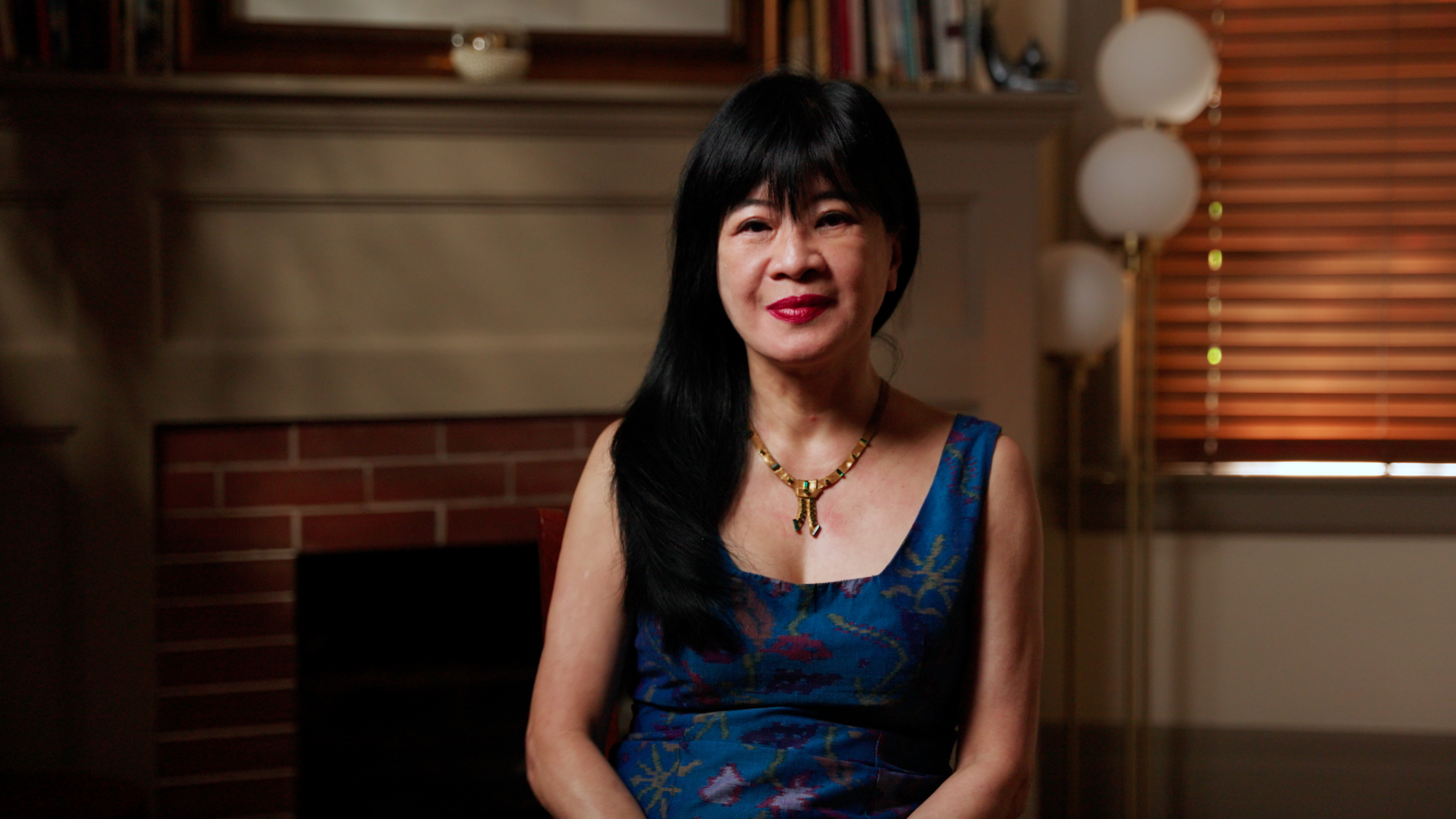
History is understood through narrative. The stories that are written, repeated, and taught give shape to the past. By decentering European narratives in our teaching, we can expand the scope of historical understanding that our students carry with them into the world. Studying early global literatures shakes the preconceived notions about the past that students bring into the classroom, especially when they are introduced to early global civilizations that were far more complex and modern than Europe.
Further learning
Recommended


Citizenships ancient and modern
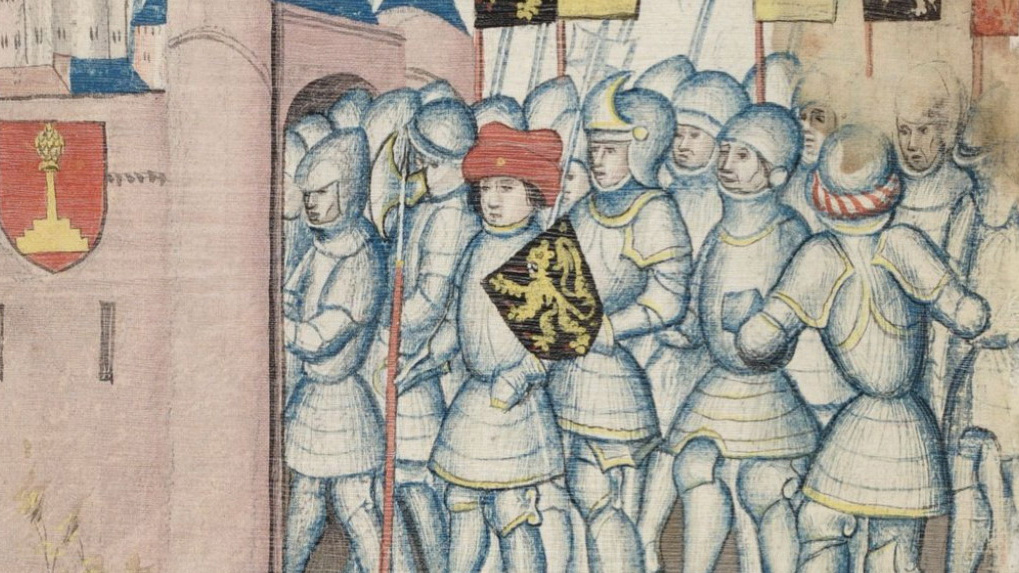
This course, developed by Dan-el Padilla Peralta, maps a history of citizenship as a concept and an institution from the ancient Mediterranean world to the 21st century.
This course, developed by Dan-el Padilla Peralta, maps a history of citizenship as concept and institution from the ancient Mediterranean world to the 21st century.


