
Heng, Geraldine. "Premodern race as a critical canon." Throughlines. www.throughlines.org/suite-content/premodern-race-as-a-critical-canon. [Date accessed].
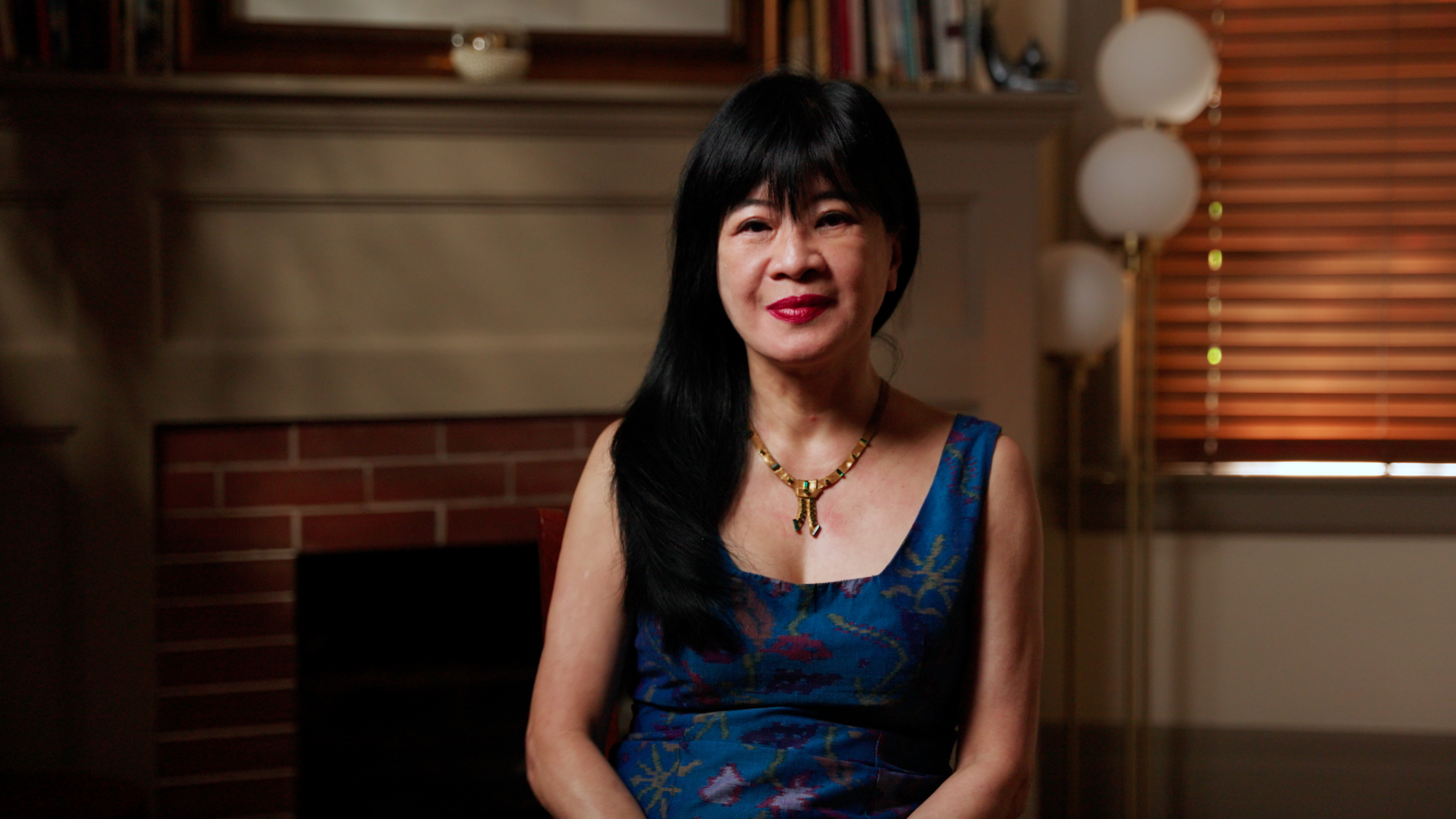
Geraldine Heng is an influential, field-crossing scholar and one of the founding theorists of premodern critical race studies. Her classes on premodern European literature offer a critical understanding of the histories of race-making, all while supporting students to conduct interdisciplinary research that interrogates the social and cultural mechanisms of race in their everyday lives. Here, Heng offers a glimpse into the texts she teaches and her collaborative approach to student assignments. She identifies a new path forward for premodern European literature—one that is a provocation for our world today.
Further learning
Recommended
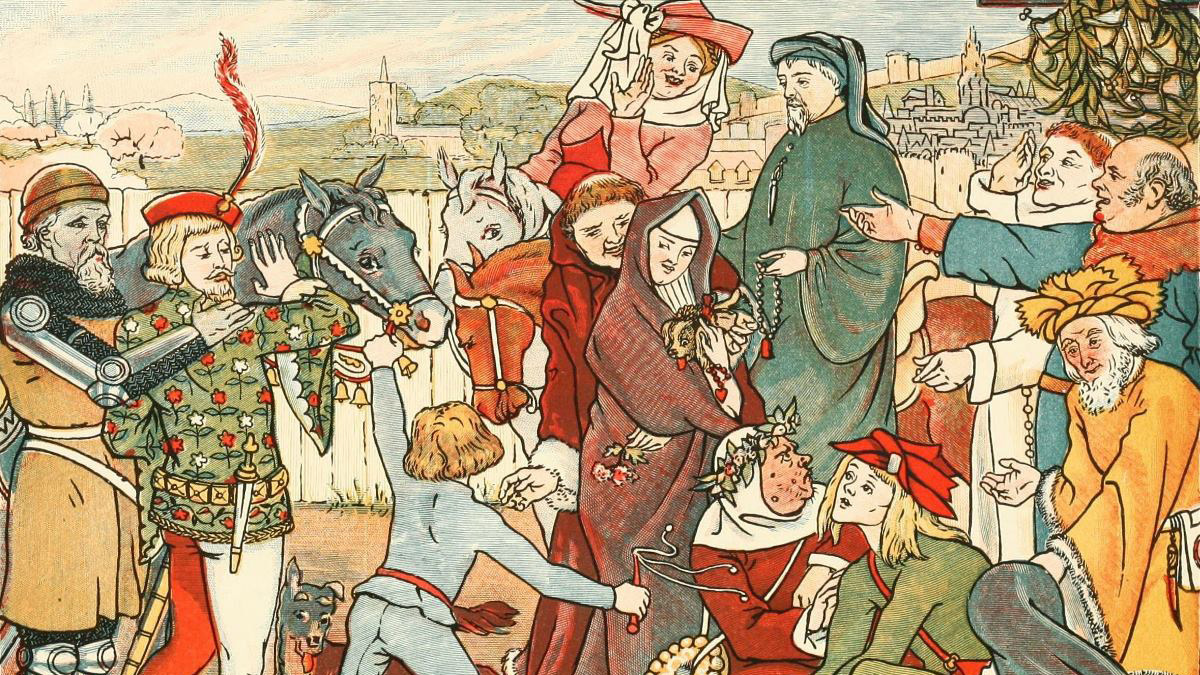
Chaucer adaptations in the classroom
Modern adaptations can transform the way students read Chaucer. These classroom activities pair The Canterbury Tales with contemporary poetry, performance, and translation to help students explore how race, language, identity, and belonging shape both medieval texts and their modern reinterpretations.


