
Hsy, Jonathan. "Language, race, and Chaucer adaptations." Throughlines. www.throughlines.org/suite-content/language-race-and-chaucer-adaptations. [Date accessed].
Language, race, and Chaucer adaptations
Reading Chaucer's works across languages and cultures
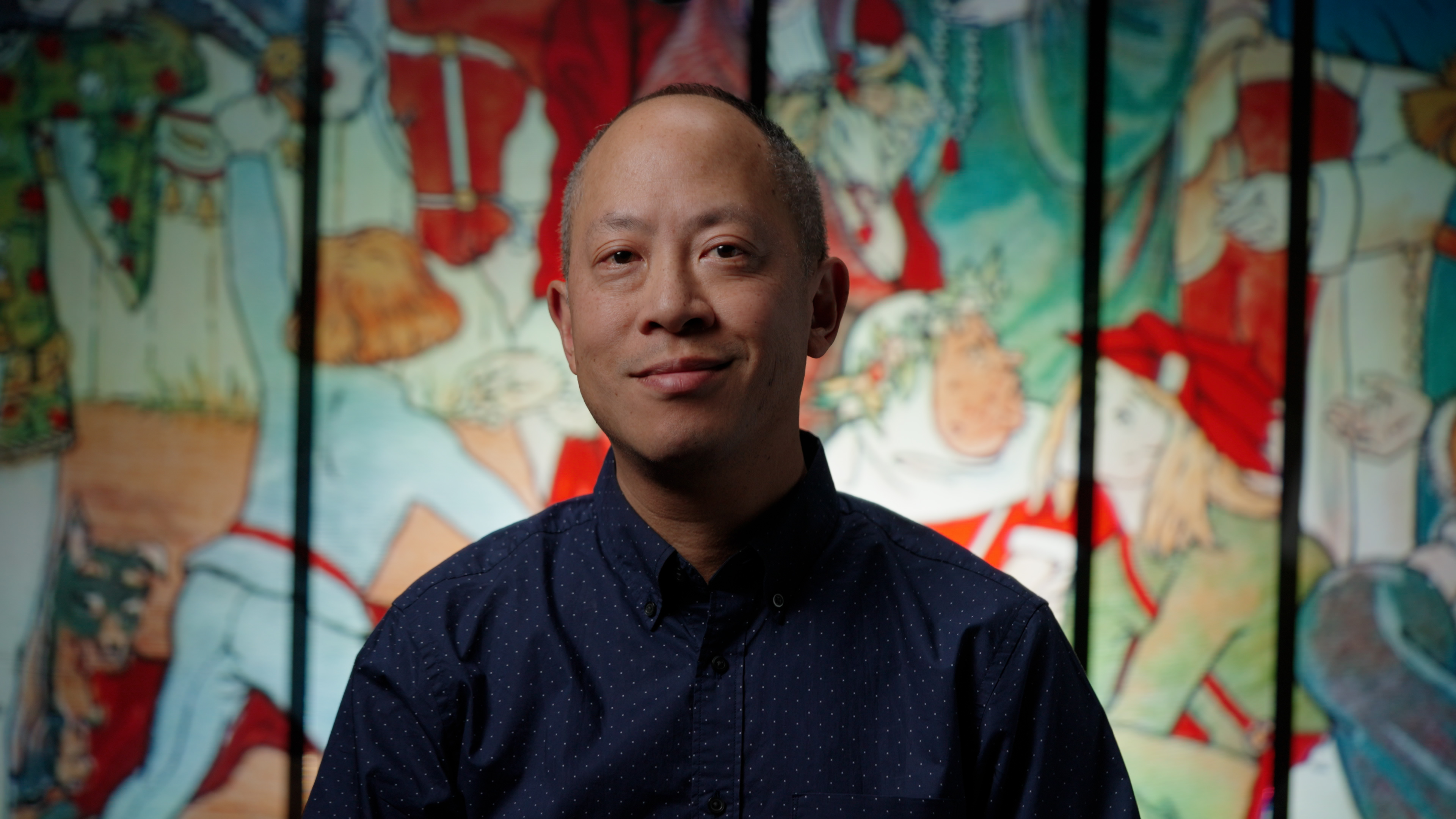
Teaching Chaucer alongside modern adaptations invites students to think beyond the medieval English canon. By pairing The Canterbury Tales with works across historical, religious, and cultural traditions, this reading list demonstrates how Chaucer's stories have been reimagined across time and place, raising enduring questions about language, race, identity, and belonging.
This list begins by situating Chaucer within the multilingual world of late medieval England before turning to scholarship on race, vernacular language, and the politics of literary adaptation. Together, they encourage students to see Chaucer not as the endpoint of a literary tradition, but as part of an ongoing global conversation about voice, power, and cultural exchange.
The multilingual contexts for Chaucer
- Hsy, Jonathan. "Chaucer's Polyglot Dwellings," in Trading Tongues: Merchants, Multilingualism, and Medieval Literature, 17–44. Columbus: Ohio State University Press, 2013.
- Hsy, Jonathan. "Chaucerian Multilingualism, Past and Present," in Chaucer Here and Now, edited by Marion Turner, 77–95. Oxford: Bodleian Library Publishing, 2023.
The social and linguistic contexts of English vernacular writing
- Lalla, Barbara. Postcolonialisms: Caribbean Rereading of Middle English Discourse. Kingston, Jamaica: University of the West Indies Press, 2008. Read the first section of Chapter 1.
- Rajendran, Shyama. "Undoing 'the Vernacular': Dismantling Structures of Raciolinguistic Supremacy." Literature Compass 16, nos. 9–10 (2019).
Race and Chaucer adaptations
- Hsy, Jonathan. "Pilgrimage: Chaucerian Poets of Color in Motion," in Antiracist Medievalisms: From “Yellow Peril” to Black Lives Matter. Leeds: Arc Humanities Press, 2024.
- Wallace, David. "New Chaucer Topographies." Studies in the Age of Chaucer 29 (2007): 3–19.
- Warren, Michelle R. "'The Last Syllable of Modernity': Chaucer in the Caribbean." postmedieval 6 (2015): 79–93.
- Barrington, Candace, and Jonathan Hsy, dirs. Global Chaucers. Accessed July 30, 2026.
Further learning
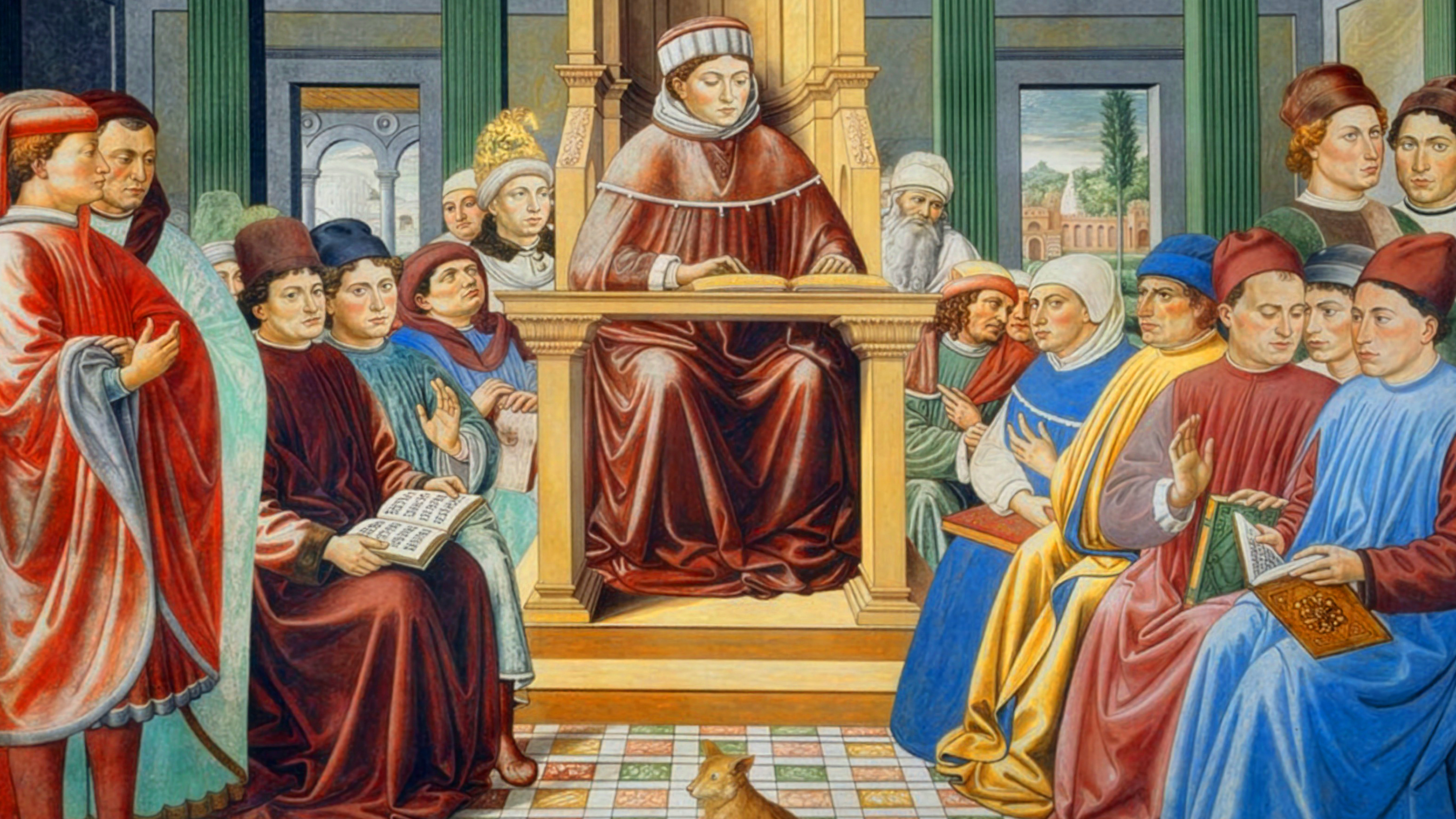
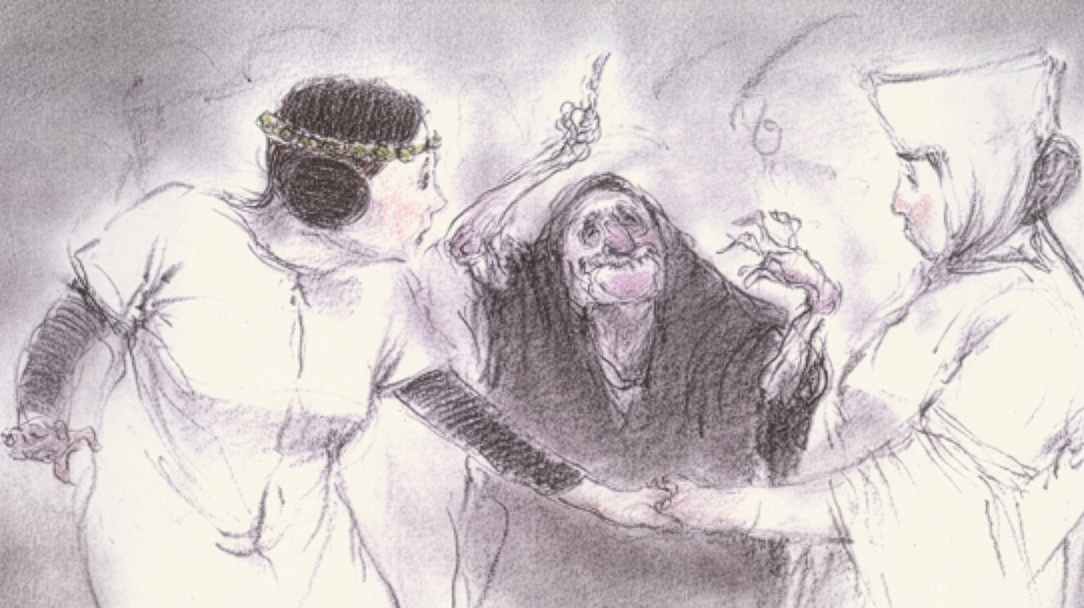
Teaching The Wife of Bath's Tale through adaptations
Chaucer's most outspoken pilgrim gets three modern makeovers: an animated film, a spoken-word performance, and a poem staged in a London market. Jonathan Hsy shows how these adaptations open fresh classroom conversations about gender, power, and justice.
Recommended
.jpg)

.jpg)
Titus Andronicus as the gateway drug
Students believe they know what Romeo and Juliet or Hamlet or Macbeth mean, but rarely do those “meanings” stem from the students’ close engagements with the texts. Using Titus Andronicus at the beginning of any Shakespeare class forces students to experience Shakespeare anew.

