
Coley, Suzanne. "Shakespeare and the art of bookmaking." Throughlines. www.throughlines.org/suite-content/shakespeare-and-the-art-of-book-making.
Shakespeare and the art of bookmaking
Interpreting Shakespeare’s sonnets through a contemporary lens of bookmaking, embroidery, and printmaking.

As a book artist specializing in printmaking, poetry, embroidery, and bookbinding, Suzanne Coley reimagines the words of Shakespeare through the medium of book art. Her work brings Shakespeare into the contemporary world and reshapes his texts into culturally and socially significant art objects. In the last 10 years she has made over 500 unique traditional hardback books expanding the traditional bookbinding and book arts practices. Suzanne's art combines painting, poetry, printmaking, and textile manipulation to examine the human condition and modern-day social justice issues.
Further learning
Recommended

Slavery, sugar, and the value of Shakespeare
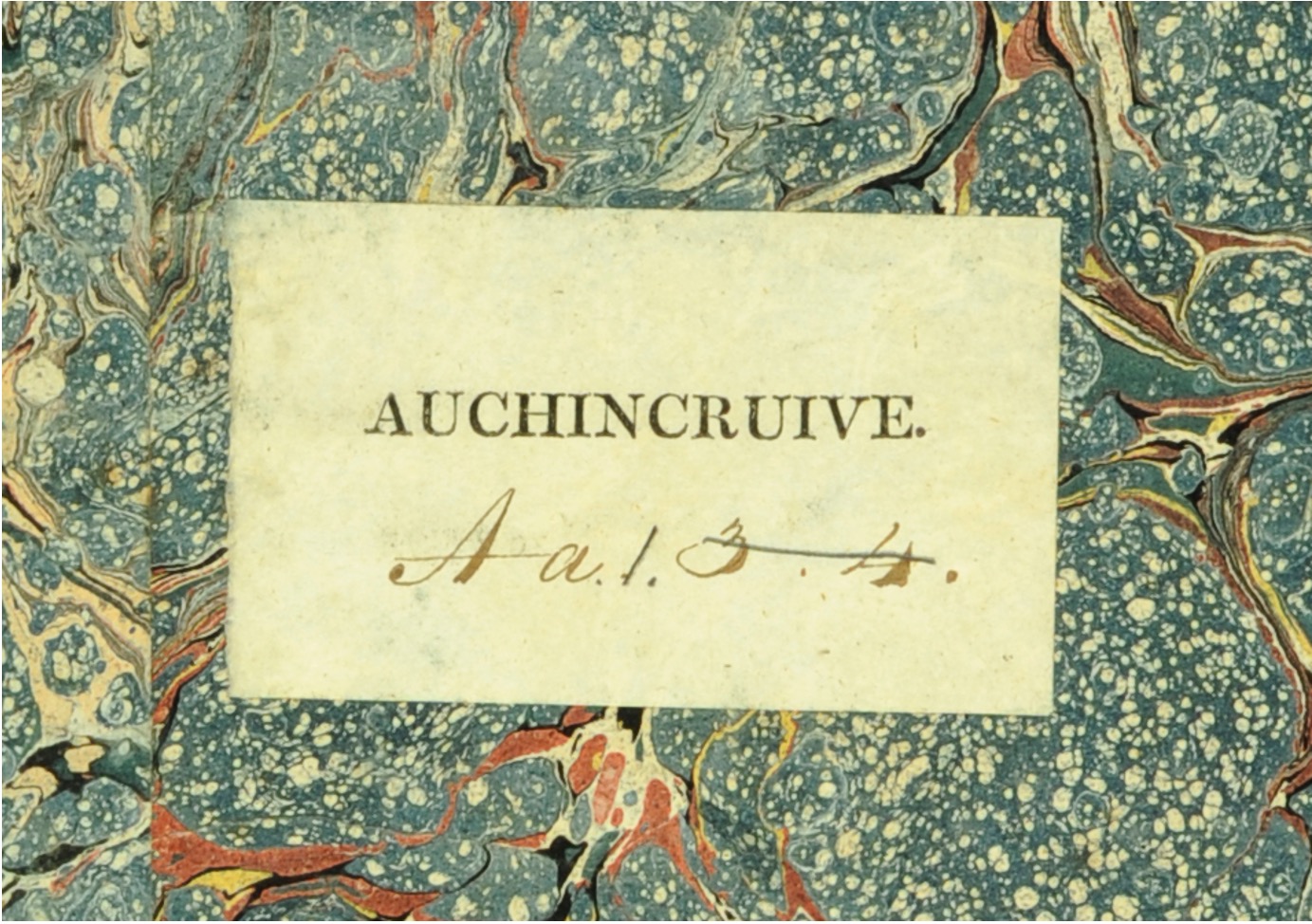
Emma Smith traces the linage of Richard Oswald's 18th-century library to reveal how so-called rare books became totems of class status. Oswald's library is an example of how enslavement of African people by the British is woven into the fabric of book history and how value is construced.

Sexualization of Islam in Turk plays
“Turk plays” used race, religion, and sexuality to construct and enforce difference portraying Muslims, Jews, and Black people as sexually deviant or unnatural. Studying these texts reveals how early modern depictions of sexuality and race intersected.

